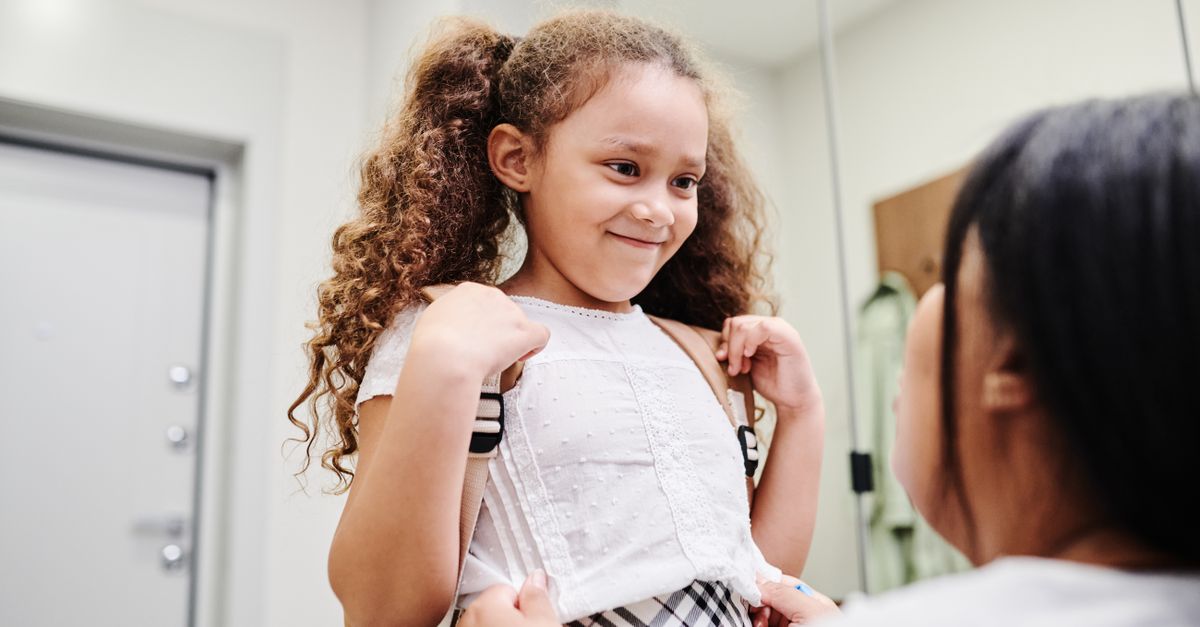
Lost shoes, unsigned forms, forgotten lunches and a child who will not get out of bed. School mornings can be the most stressful part of the day. Most of the solutions start the evening before.
Key Takeaways
- Prepare clothes, bags, lunches and forms the night before.
- Use visual checklists so children can manage tasks themselves.
- Set wake-up times with buffer for slow starters.
- Keep screens off in the morning until children are ready.
The night before
- Pack backpacks and place them by the door.
- Lay out clothes, including shoes and coats.
- Prepare lunches or lunch components.
- Sign forms and check calendars.
- Charge devices if needed.
Morning checklists
Create a simple list with pictures for younger children:
- Get dressed
- Eat breakfast
- Brush teeth
- Shoes and coat
- Backpack
Children can tick items off, building independence.
Realistic timing
Work backwards from departure time and add buffer. Slow starters may need extra time. Wake children with enough time to complete the routine without rushing.
Breakfast
Keep breakfast simple: overnight oats, yogurt and fruit, toast with nut butter, or eggs prepared the night before.
Screens
Avoid screens until everything on the checklist is done, or keep mornings screen-free.
Calm communication
- Give clear, short instructions.
- Use timers rather than repeated reminders.
- Praise progress.
A sample timeline
For a family that leaves at 7:45 a.m.:
- 6:45 Parents up; coffee; check calendar
- 7:00 Kids wake up; get dressed (clothes laid out the night before)
- 7:10 Breakfast
- 7:25 Teeth, hair, sunscreen
- 7:35 Shoes, coats, backpacks
- 7:40 Buffer for the unexpected
- 7:45 Out the door
Adjust each step to your children’s ages and pace. If mornings consistently run late, add ten minutes at the start rather than rushing every step.
Sharing responsibility by age
- Preschoolers: choose between two outfits, put shoes by the door, carry their own bag.
- Early elementary: dress independently, put lunch in backpack, follow a picture checklist.
- Older elementary: pack their own bag, make simple breakfasts, set an alarm.
- Tweens and teens: manage their own schedule with a family calendar and alarm, with parents as backup.
Giving children ownership reduces the number of reminders parents need to give.
The launch pad
Create a “launch pad” by the door: a hook or cubby per child for backpacks, coats, shoes and anything that needs to go to school, such as library books or sports gear. Items needed tomorrow go there the night before.
Handling meltdowns
Some mornings will go badly. When a child is upset, stay calm, focus on the next step and save discussions for after school. Notice patterns — if Monday mornings are hardest, move more preparation to Sunday evening.
Frequently Asked Questions
What if my child is not a morning person? Earlier bedtimes, gradual wake-ups and extra buffer can help.
Should children make their own lunches? Many children can help from early elementary school.
How do I handle multiple kids? Stagger bathroom and breakfast times and use individual checklists.
What if mornings are still chaotic? Identify the bottleneck and adjust that step.
The bottom line
Shift preparation to the evening, use checklists, and build in time. Calmer mornings are mostly planned the night before.